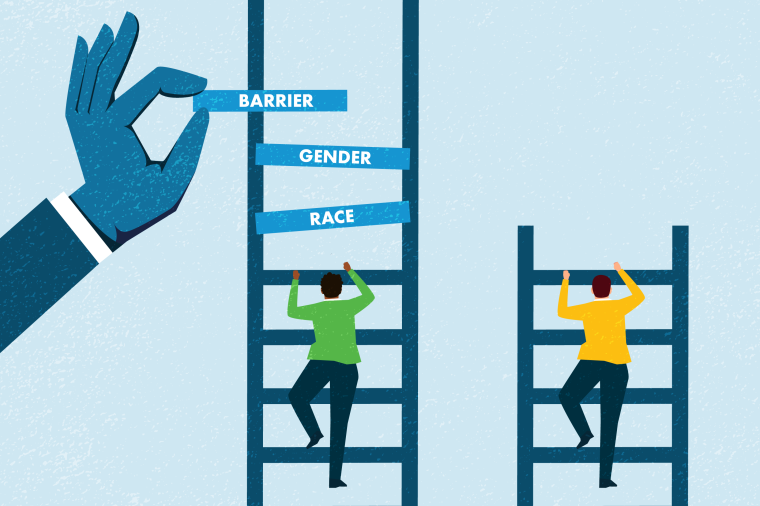
The No Child Left Behind Act, enacted in 2002, aimed to improve learning and eliminate achievement gaps by raising accountability in schools. The new requirements also generated volumes of valuable long-term data on students and teachers—data that are now grounding and guiding education policy and allowing researchers to answer long-held questions about what leads to student success. Read more. Featured LinksContact an expert on Education PolicyRelated Policy CentersPublications on Education
Ambitious Reform Efforts Evaluated in New Book on America's High Schools (Press Release) Eighteen education policy experts put the past decade's surge in high-school reform efforts to the test in Saving America's High Schools from the Urban Institute Press. Led by coeditors Becky Smerdon and Kathryn Borman, the team of authors size up national reform trends and draw on at least five years of research in Baltimore, New York City, Chicago, Ohio, and North Carolina.
Saving America's High Schools (Book)
Our educational system is in a continuous state of reform, yet outcomes are nowhere near what we can accept. Though the search for answers is perpetual, many efforts over the past decade have homed in on one feature of high schools—their size. If we simply reduce school size, the argument goes, students will gain a safer environment that can address their individual needs. It seems like common sense, but such changes alone have not proven a magic bullet. Saving America's High Schools offers quantitative research drawn from large-scale reform studies along with recommendations for federal, state, and district reform.
Creating a New Teaching Profession (Book)
Considering that having a quality teacher is the foremost in-school predictor of students' success, ensuring teacher excellence is vital to the nation's educational system. In Creating a New Teaching Profession, diverse scholars assess the state of human capital development in the teaching profession today and how to progress.
Widening the Net: National Estimates of Gender Disparities in Engineering (Article)
This paper explores the causes behind the severe underrepresentation of women in engineering. Based on national data on undergraduate engineering programs, this study presents cross-sectional estimates of male and female student retention. Contrary to widespread beliefs, the study found that overall and in most disciplines there is no differential attrition by gender. Instead, results suggest that gender disparities in engineering are largely driven by inadequate enrollment (not inadequate retention) of women. The paper concludes that outreach— within institutions of higher education, across institutions (into two-year colleges, middle and high schools), and into K-12 curricular reform—are needed to address what is, at its very core, a recruitment problem.
Retention Is Not the Problem: Women aren't being drawn to engineering in the first place. (Article) "Study Seeks to Improve Retention Among Women Engineering Students," declares a 2008 news release announcing a grant to four universities. Countless other articles cite female retention as a grave problem. This focus on retention drives a host of strategies to increase the number of women engineers. But is low retention behind the problem? Are women underrepresented in engineering because they enroll only to eventually drop out? The answer, as documented in the July 2009 Journal of Engineering Education, is a resounding "No!"
|